A Day in the Life of an EYFS child
Here at Old Leake Primary Academy, we strive to bring learning alive and make it fun for our learners. We have a fully planned curriculum but respond to the needs and areas of interest for our learners.
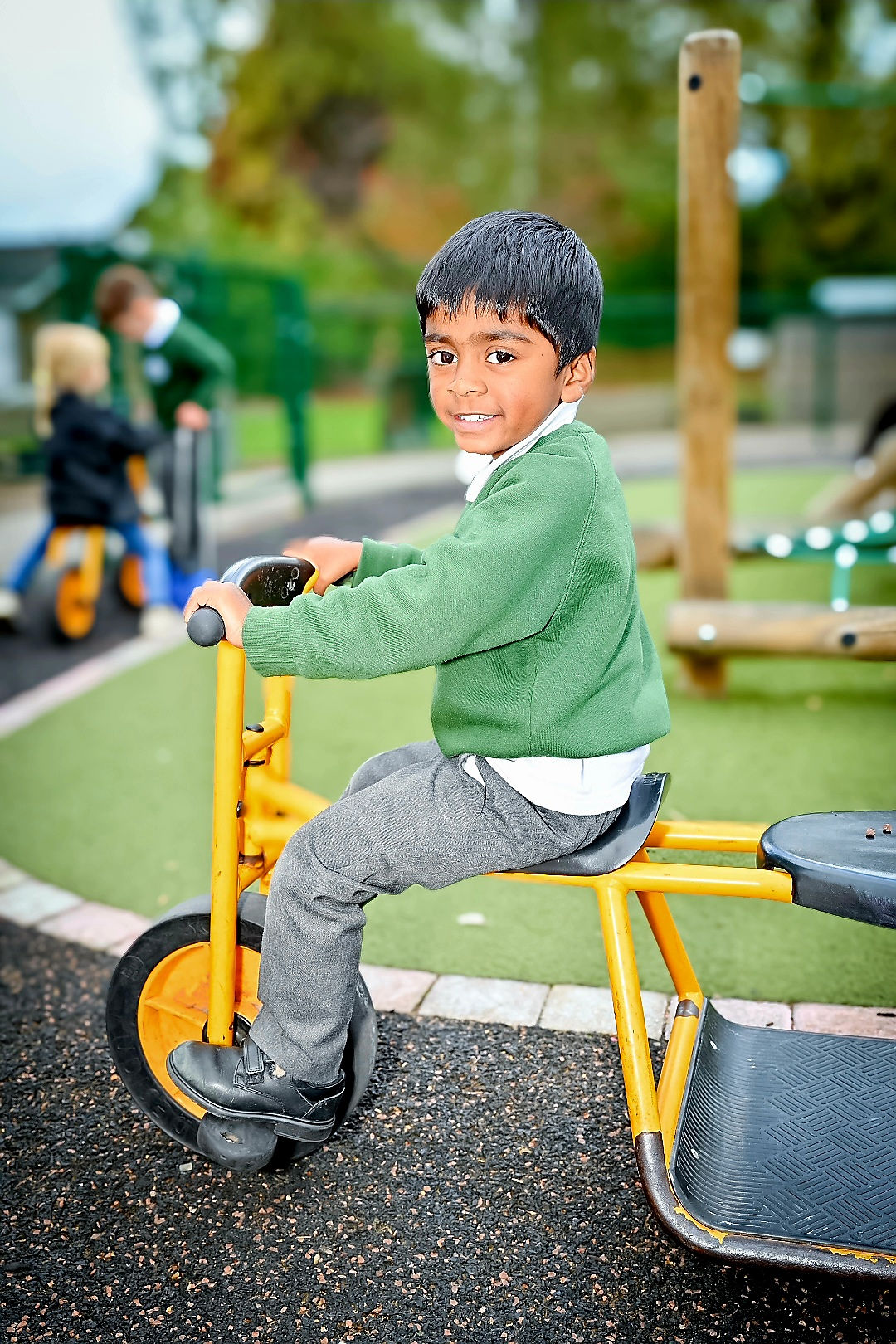
We have two spacious classrooms; Seedlings Nursery and a Reception class, both of which are well staffed and clearly zoned into the areas of learning for the Early Years curriculum. Our outside learning space not only allows the children to master gross motor skills on the climbing frame, bikes and use the variety of bats, balls and stilts but also continue their learning in all areas of the Early Years curriculum.
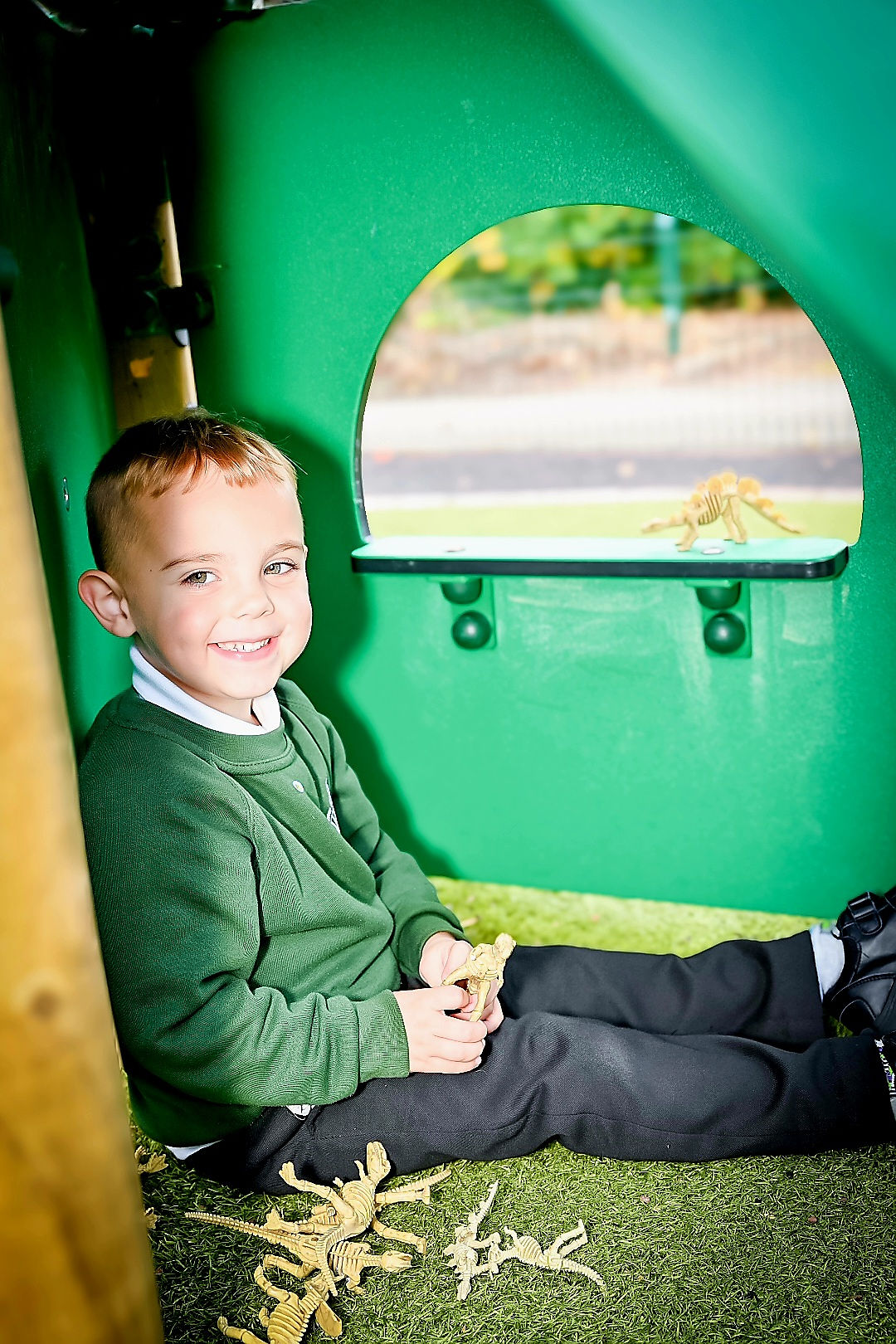
We welcome visits to come and see our setting and see how happy our children are whilst they are learning through play.
Seedlings Nursery
Our Nursery accepts children from 3 years old with wrap-around care (breakfast and after-school club). We provide various learning opportunities that are planned specifically to encourage and progress children’s learning and development within the seven areas of the EYFS curriculum.
At Seedlings, we provide the children with the highest level of pre-school learning opportunities which are carefully planned for. Through play, the children participate in a variety of learning activities, which are both inside and outside, that cover the 7 areas of learning as stated in the Early Years Curriculum.
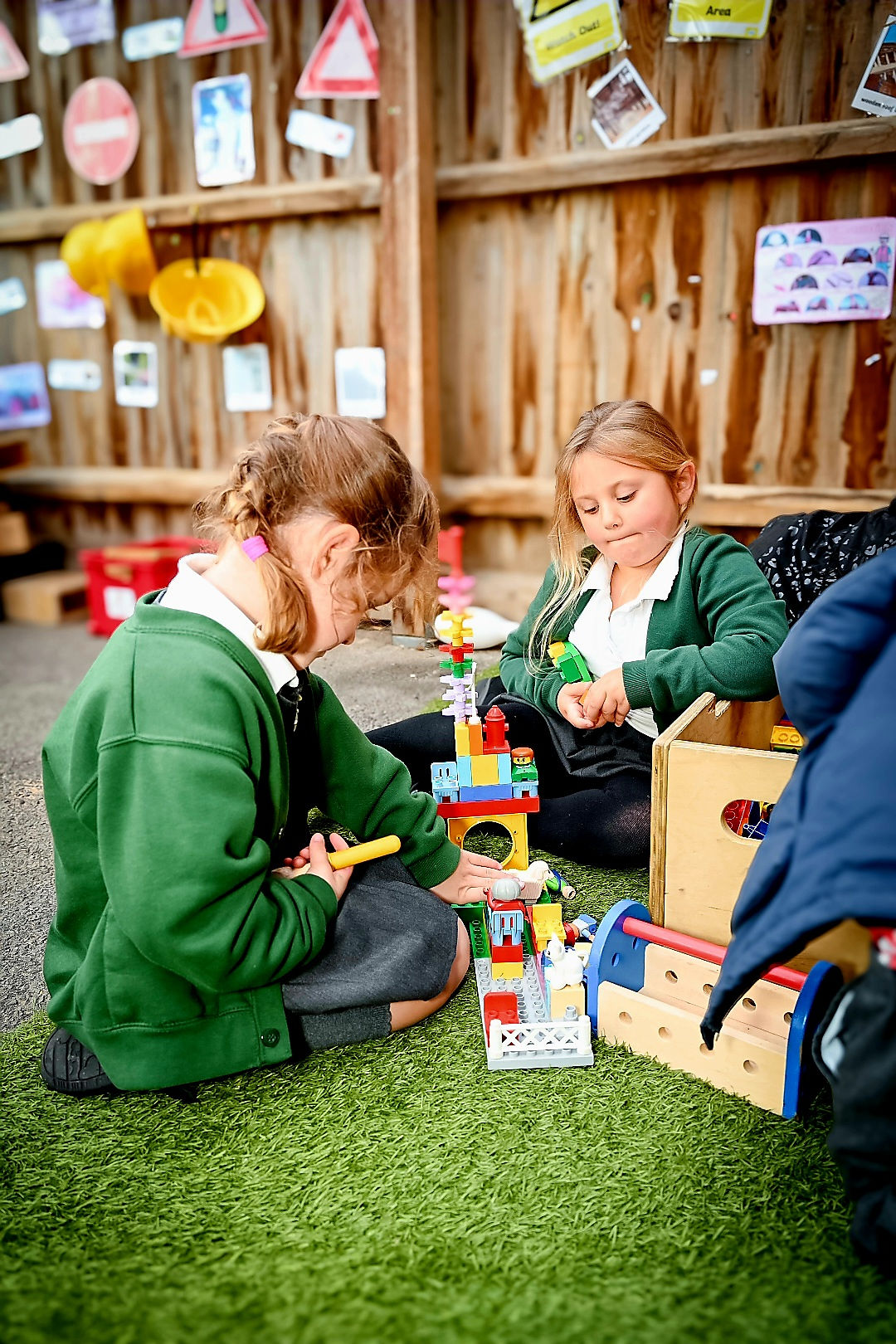
The children engage in whole class and small group focussed inputs and then have the opportunity to explore the learning through their child-initiated play.
We have a generous sized outdoor learning space, which is shared with the Reception Class. This allows friendships to be formed and built with a larger group of children.
Reception Class
Learning in our Reception Class, is carefully planned for with fun and purposeful activities set up for the children to independently access. Children participate in a variety of whole class inputs, which include maths, phonics and music. We follow the Drawing Club program, which is a fantastic way to encourage early mark making, the precursor to writing. Parental engagement is high on our priorities, we hold many events through-out the year where parents are invited in to observe their children whilst learning, attend workshops on how to support children at home or join in with our celebrations. We pride ourselves in promoting independence and self-help skills, which we believe puts the children in a really good position to continue their learning journey as they move through the school.
How to help at home.
Class teachers are on hand to advise you on how you can further support your child's learning at home. Here are some ideas to start with:
Firstly, we ask you read to your child, ideally every day; little and often is best. Choose from a range of new and traditional tales. Your child will have the opportunity to borrow a book from school each week for you to share. Alongside this, singing nursery rhymes with your child is a great way to increase your child’s vocabulary and have some fun. Please click on the link below to discover more benefits to singing nursery rhymes.
Benefits of singing nursery rhymes: Why are nursery rhymes good for babies? - BBC Tiny Happy People
As their own reading begins you will receive phonics books to practice their sounds and early reading books which match their phonics progress. Initially, these books may be non-worded books but they are invaluable to help children learn the about turning pages, ‘reading’ the left-hand page first and helps to encourage a love of reading.
Please complete their reading diary when you read together.
Encourage your child to talk and discuss what you are doing together - setting the table, playing with water in the bath, counting the stairs, writing a shopping list, cleaning and tidying!
Look for numbers in the environment - on doors, buses, signs or shop labels. Look for patterns in the environment, discussing shape, size and colour.
Please encourage your child to develop their independent self-help skills, fastening up their own coat, taking the lid of their yoghurt pot and putting their own belongings in their school bag are to name but a few.
Please share your experiences with your child on Tapestry